We asked Canadians to build something instead of sending a resume. Here's what happened.
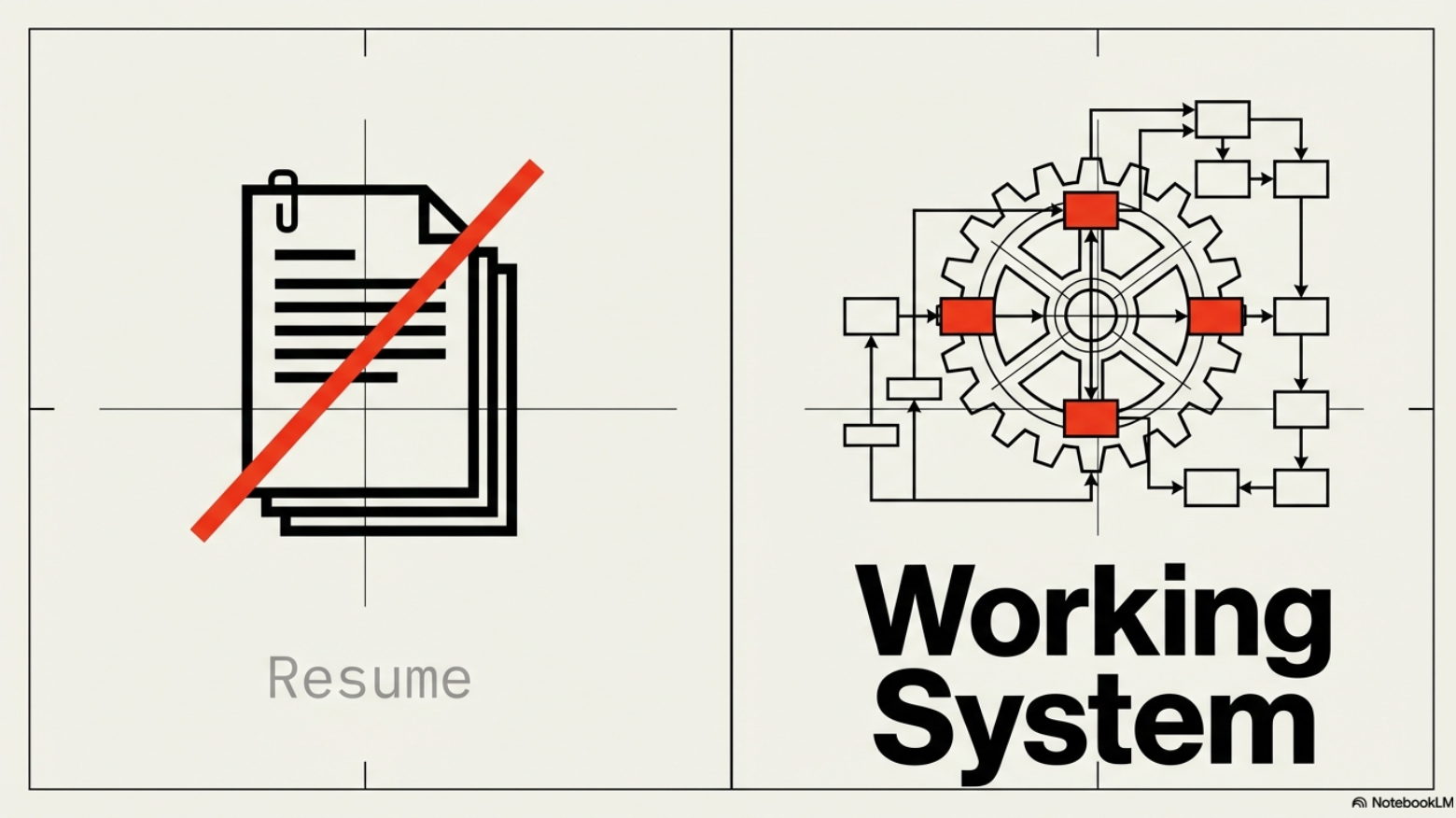
Resumes tell you where someone has been. They don't tell you much about what they can actually do.
March 19, 2026
By Diana McLachlan, Chief People Officer
The things we care most about - curiosity, grit, the ability to hit a wall and find a way through it - don't show up in a CV. Neither does the judgment to know when AI should handle something and when a human needs to stay in the loop. You can ask about it in an interview. But the best way to see it is to watch someone do it.
So we tried something. We gave people one week to build a working prototype instead of submitting a resume. Design something where AI does real work, and show us where you'd draw the line between what the machine handles and what a person has to.
1,152 people applied.
What people built
We never expected the range of what came back.
People built tools to solve problems in healthcare, education, legal workflows, civic infrastructure. Problems that have nothing to do with fintech, built by people who clearly cared about what they were trying to fix. Not demos - working systems, with real thought behind where automation belongs and where it doesn't.
We reviewed 1152 applications. Interviewed 20. Five got offers.
How we evaluated
Every interview was 15 minutes and four questions. We asked candidates to break down their problem using first principles. How did they know their system was working as intended - not just running, but producing reliable outputs? What tools did they use and why? And what was the most interesting thing they'd read or heard about where AI is going?
The candidates who stood out could explain their problem from the root cause up, not the surface down. They knew their system's edges. They'd made real choices about what not to build. And they had a clear answer for where AI stops and a human takes over.
The time constraint forced candidates to prioritize, which is a skill we care about. But we also know we lost things. Some people had deeper thinking than fifteen minutes allowed. We're still working out what to change here.
What we got wrong
Our first email to candidates who didn't make it to the interview phase wasn't good enough. When someone spends days building something real, they deserve better. We heard that feedback and course corrected, but the bar for how we treat candidates has to match the bar we set for the process itself from the start. We'll build that in next time.
The open brief was a feature and a flaw. We told people to build whatever they wanted. That was intentional - we wanted to see how people frame problems, not just solve ones we'd already picked. And what came back was extraordinary in range - in domain, and in the backgrounds of the people who applied. We evaluated based on thinking, not domain. That held up okay, but next time we might consider narrowing the prompt. Evaluating the people applying matters more than what we learn from a wider net.
What’s next
Running this well at scale is an open question. 1,152 applications was manageable, but what does this look like at 5,000? How do you review every submission with the care it deserves? How do you keep the brief meaningful as the tools evolve and what's buildable keeps changing? We don't have full answers. What we do believe is that the principle holds: watching someone work through a real problem under real constraints tells you more than a resume ever will.
AI Builders now sits alongside Launchpad - our year-long program for high school graduates, no resume required - as part of how we think about finding talent differently. Neither program asks where you've been. Both ask what you can do.
We'll keep experimenting. And when we run this again, we'll run it a bit differently.